Working at height remains one of the most significant risks faced by workers across Great Britain. Despite continued improvements in workplace safety, falls from height continue to be the most common cause of fatal workplace accidents.
According to the Health and Safety Executive's provisional figures for 2025/2026, 126 workers were killed in work related accidents across Great Britain. Of these, 31 deaths were caused by falls from height around a quarter of all worker fatalities during the year.
For anyone responsible for the design, management or maintenance of a building, these figures serve as an important reminder that safe access and appropriate fall protection should remain a priority whenever work at height is required.
This is particularly important on rooftops, where unprotected edges, fragile rooflights, access points and changes in level can all present significant fall hazards.
What is Working at Height?
Working at height does not necessarily mean working several storeys above the ground.
The Health and Safety Executive defines work at height as work in any place where, without suitable precautions, a person could fall a distance liable to cause personal injury. This can include working near an unprotected roof edge or falling through a fragile roof surface or rooflight.
Under the Work at Height Regulations, work at height must be properly planned, appropriately supervised and carried out by competent people using suitable equipment.
The first consideration should always be whether working at height can be avoided altogether. Where this is not reasonably practicable, measures should be taken to prevent falls. Where the risk cannot be completely eliminated, the distance and potential consequences of a fall should be minimised.
Collective protection, which protects everyone exposed to the risk without requiring individual action, should also be considered before personal protection measures.
Protecting Exposed Roof Edges
Unprotected roof edges are an obvious but potentially serious hazard for anyone carrying out inspection, maintenance, repair or installation work on a rooftop.
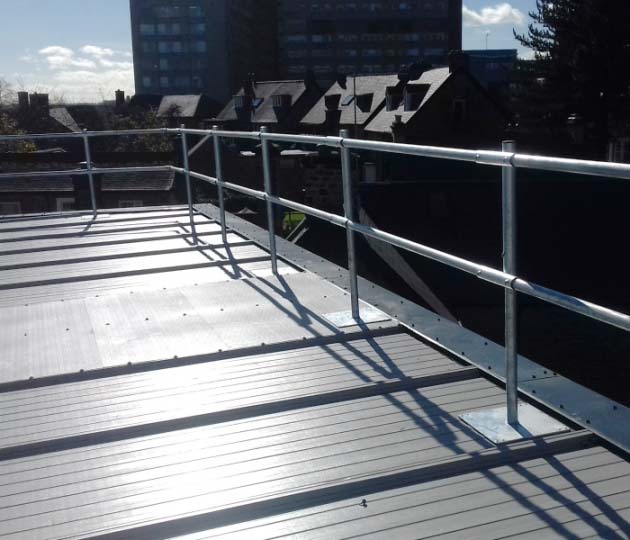
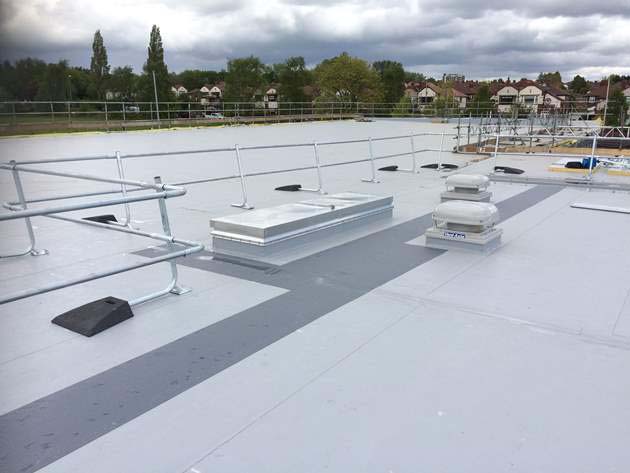
Where regular roof access is required, suitable edge protection can provide collective fall protection without relying on each individual worker to connect themselves to a personal fall protection system.
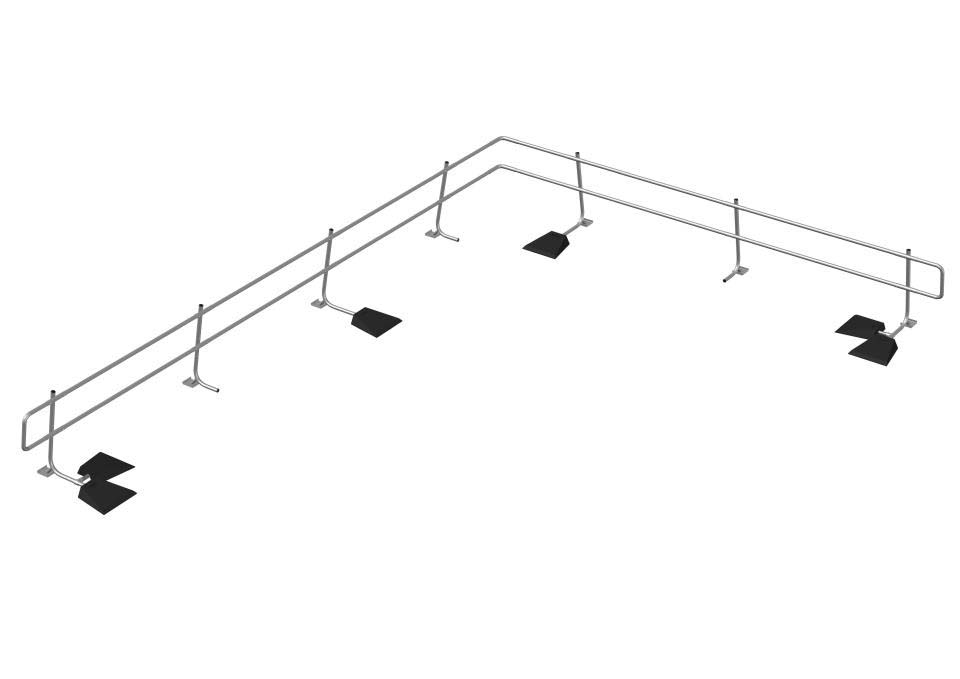
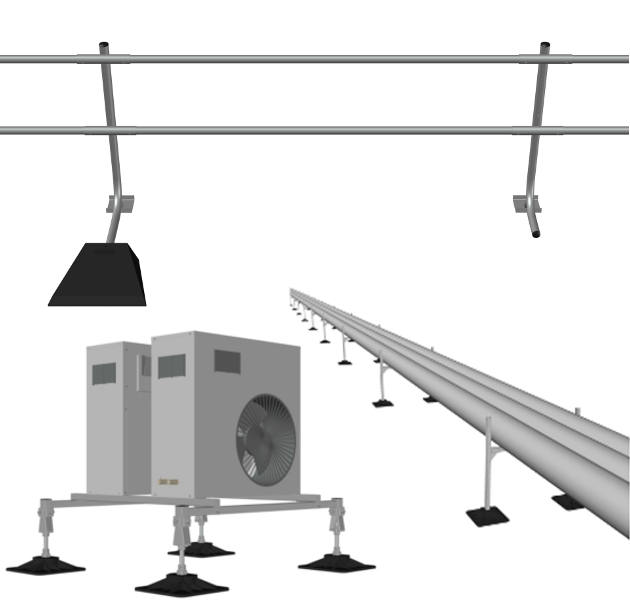
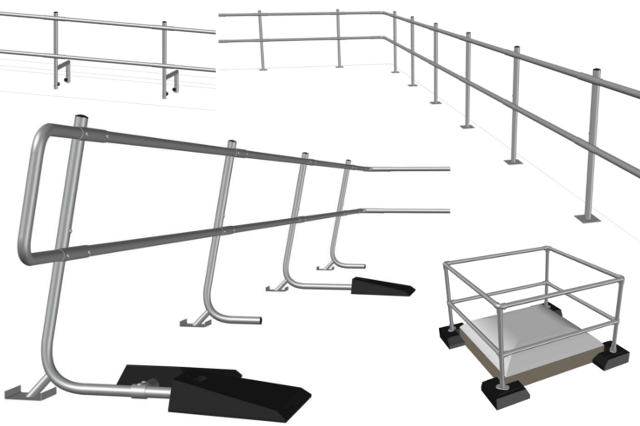
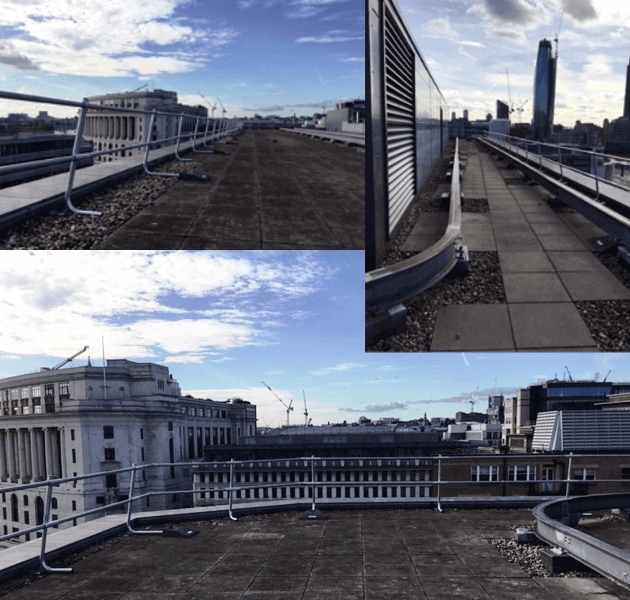
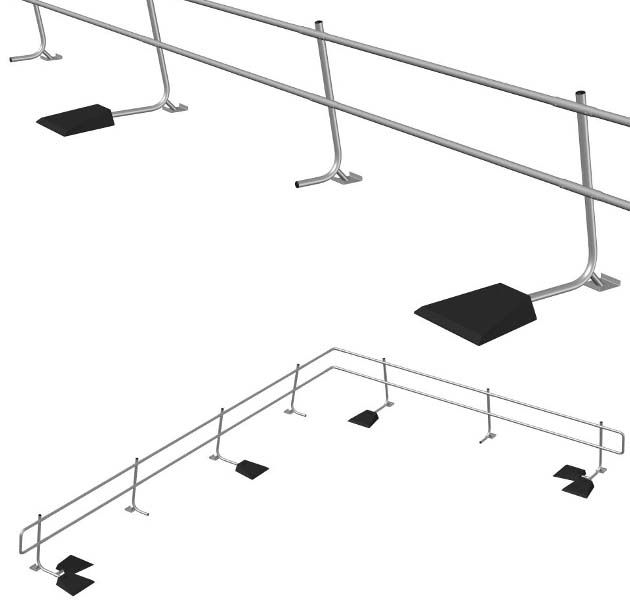
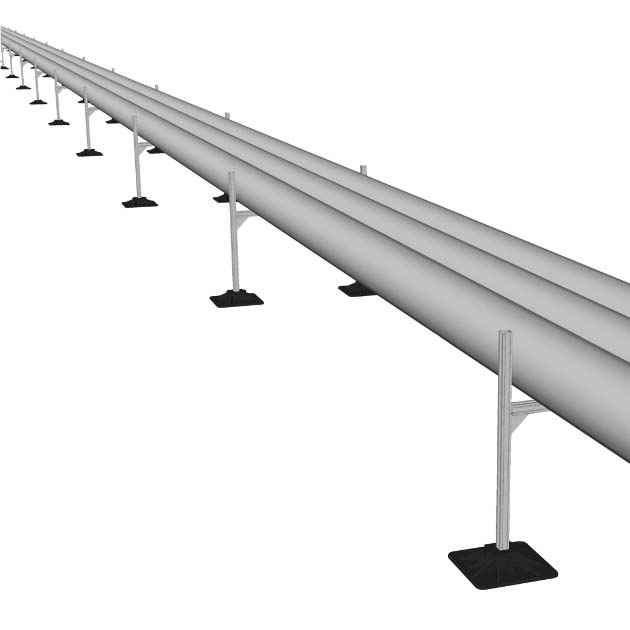
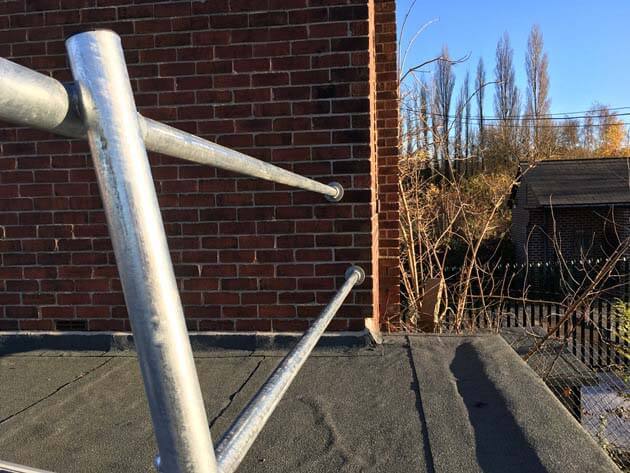
Depending on the building and roof construction, different solutions may be appropriate. Freestanding guardrail systems can provide edge protection without penetrating the roof surface, while fixed and parapet mounted systems can provide a permanent solution where the structure allows.
Our Rhinorail edge protection range includes freestanding, fixed and folding guardrail systems, allowing an appropriate configuration to be selected for different flat roof applications.
Rooflights
Don't Overlook Rooflights and Fragile Surfaces
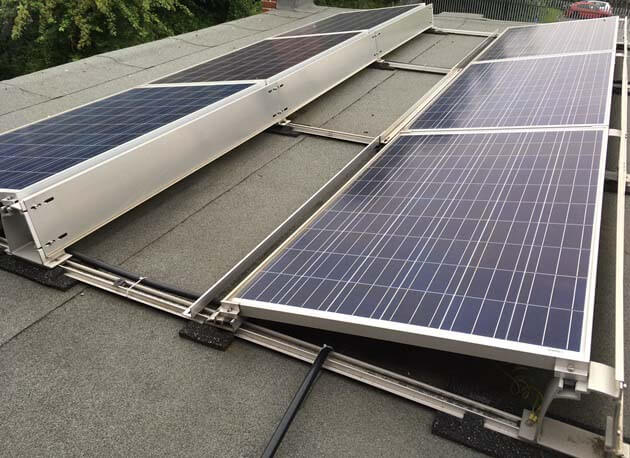
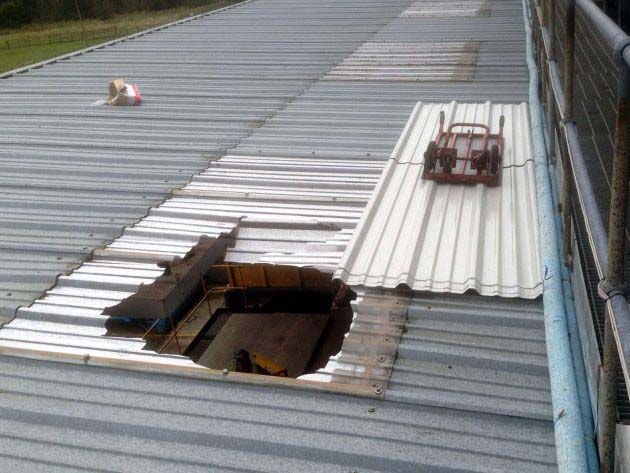
Roof edges are not the only fall hazard found at roof level. Rooflights and other fragile surfaces can present an equally serious risk.
HSE guidance states that rooflights, particularly those installed within the roof plane, are likely to be fragile and may be difficult to identify in certain lighting conditions or when obscured. HSE reports that falls through fragile surfaces account for 22% of fatal falls from height in the construction industry.
The consequences can be devastating. In August 2026, HSE reported that a construction company had been fined £60,000 following an incident in which a worker suffered life changing injuries after falling through an unprotected rooflight.
Where work is carried out on or near fragile surfaces, the risks should be properly assessed and suitable precautions put in place.
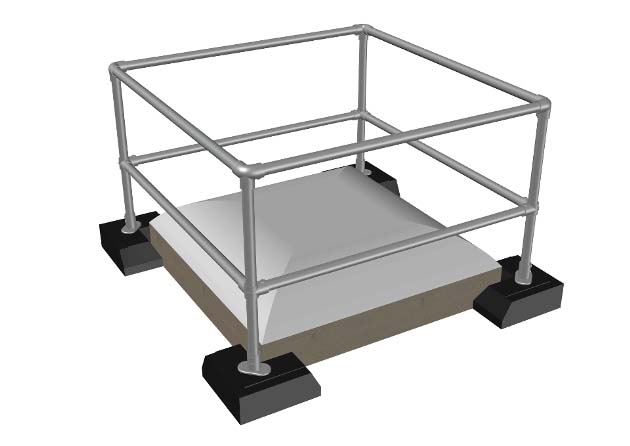
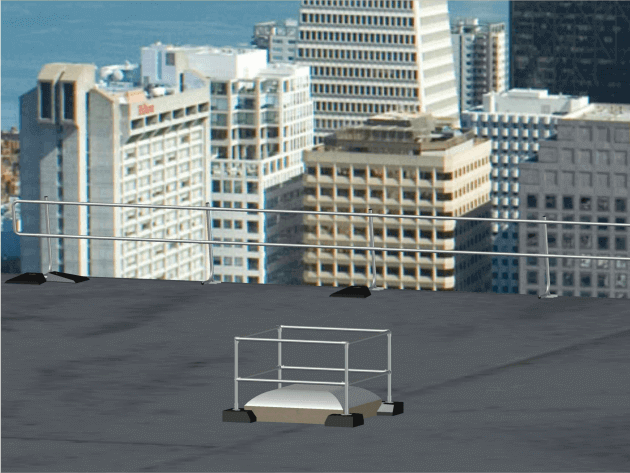
Our Titan rooflight & hatch protection systems provide freestanding protection around rooflights and hatch openings and can form part of a wider approach to managing rooftop fall hazards.
Access
Safe roof access matters... Fall protection should not begin only once somebody reaches the roof. Safe access to and from the working area is an important part of planning work at height.
The method of access should be appropriate for the task, the environment and the frequency with which access is required. HSE guidance states that workers should be able to get safely to and from the place where they will be working and that equipment used for work at height should be suitable, stable and sufficiently strong for its intended purpose.
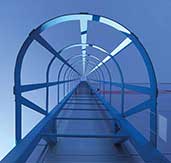
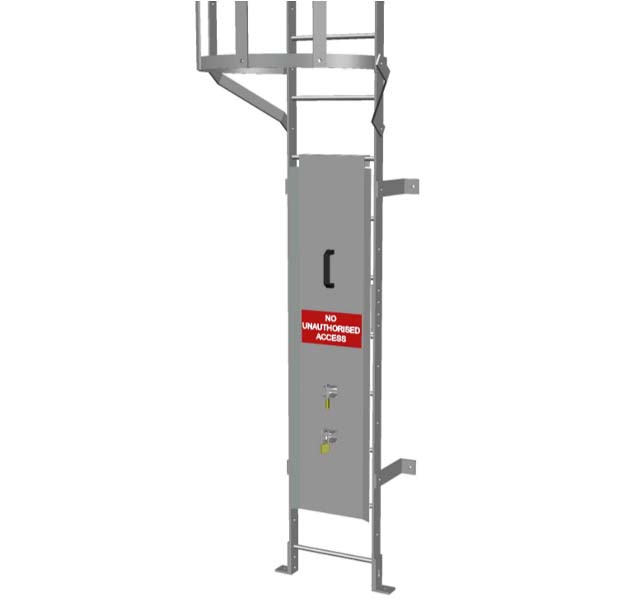
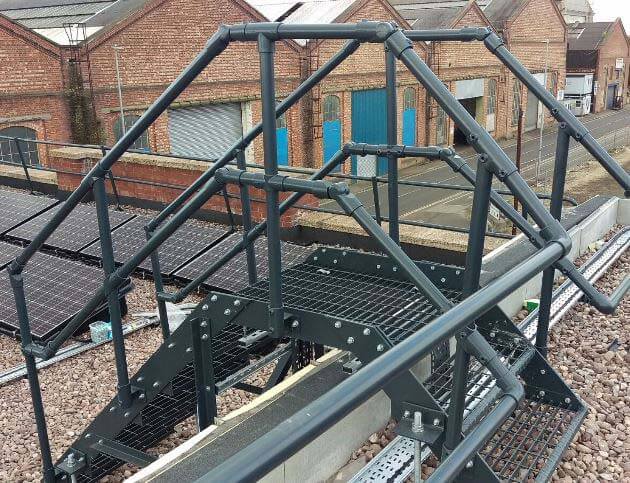
For locations requiring permanent access, a properly specified vertical access ladder can provide a dedicated route between levels. Additional components and configurations may also be required depending on the building and the obstacles that need to be negotiated.
Our Peak access ladder systems include vertical access ladders, step over units and custom access systems designed for a variety of rooftop access requirements.
Making Roof Safety a Priority
The latest HSE statistics demonstrate that falls from height remain a serious workplace risk. Effective roof safety therefore isn't simply about meeting a requirement, it's about identifying foreseeable hazards and putting appropriate measures in place before somebody is exposed to them.
From exposed roof edges and fragile rooflights to accessing different roof levels, considering the complete journey of anyone required to work on a roof can help identify where protection is required.
We manufacture and supply a range of roof edge protection, rooflight and hatch protection and vertical access systems for commercial and industrial applications.
If you're planning a project and aren't sure which solution is right for your requirements, speak to our team on 0114 243 6001, email sales@roofco.co.uk, or submit your project details through our website for a quote.